Moon Phase Calculator
This free moon phase calculator shows the exact phase name, illumination percentage, and moon age for any date — past or future, not just tonight. Pick a date above and the result updates instantly, entirely in your browser. No sign-up, no location permission, no app to install.
How to Use the Moon Phase Calculator
The date field defaults to today, so the moon phase, illumination percentage, and age shown when the page loads are already correct for right now. Change the date to see any other day — the phase name, the moon graphic, the illumination percentage, and the days since the last new moon all update the instant you pick a new date. There's no submit button and nothing to load; every value is calculated on your device as you type.
The 8 Moon Phases Explained
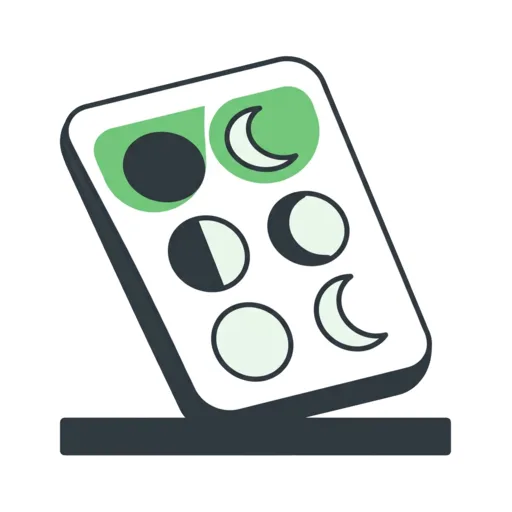
The lunar cycle is divided into eight named phases, in order: New Moon (fully dark), Waxing Crescent (a thin sliver growing), First Quarter (half lit, growing), Waxing Gibbous (more than half lit, still growing), Full Moon (fully lit), Waning Gibbous (more than half lit, now shrinking), Last Quarter (half lit, shrinking), and Waning Crescent (a thin sliver shrinking back toward New Moon). "Waxing" always means the lit portion is growing night to night; "waning" means it's shrinking.
What Moon Illumination Percentage Means
Illumination percentage measures how much of the moon's visible face is lit by sunlight on a given date, from 0% at New Moon to 100% at Full Moon. It moves smoothly through the cycle rather than jumping between the eight named phases, so two dates both labeled "Waxing Gibbous" can still show noticeably different illumination percentages — the phase name is the category, the percentage is the precise reading.
Moon Age: Days Since the Last New Moon
Moon age counts the days elapsed since the most recent New Moon, out of a full lunar cycle of roughly 29.5 days (the synodic month — the time it takes the moon to return to the same phase). A moon age near 0 days is a fresh New Moon, about 14.8 days in is a Full Moon, and the count keeps climbing back toward 29.5 as the next New Moon approaches. As a moon age calculator (also called a lunar age calculator), it reads that count straight off the date you pick above — no manual cycle math required.
Why the Moon Looks Different in the Southern Hemisphere
The moon's phase and illumination percentage are identical everywhere on Earth on a given date — only its visual orientation changes depending on which hemisphere you're standing in. A waxing moon that looks lit on the right from the Northern Hemisphere looks lit on the left from the Southern Hemisphere, and vice versa for waning phases. The Northern/Southern toggle below the result flips the moon graphic to match what you'd actually see outside, without changing any of the underlying numbers.
Finding the Moon Phase for a Past or Future Date
Because the calculator runs the same math for any date, it works just as well for a birthday decades ago or a date years from now as it does for tonight. Open the date picker, jump to any year, month, and day, and the phase name, illumination percentage, moon graphic, and moon age all recalculate for that exact date.
Frequently asked questions
What was the moon phase on my birthday?
Pick your birthdate (or any past date) with the date field above and the phase, illumination percentage, and moon age update instantly. The calculator works for any date, past or future, not just tonight.
What is today's moon phase?
The calculator opens showing today's date by default, so the phase name, illumination percentage, and moon visual you see on load are already today's moon phase — no extra step needed.
What does moon illumination percentage mean?
Illumination percentage is how much of the moon's visible face is lit by the sun on a given date: 0% at new moon, 100% at full moon, and everything in between as it waxes and wanes. This tool computes it directly from the moon's position in its cycle for the date you choose.
What does waxing gibbous mean?
Waxing gibbous is the phase between First Quarter and Full Moon, when more than half the moon's face is lit and the lit portion is still growing night to night. "Waxing" means growing; "gibbous" means more than half-illuminated but not yet full.
Does the moon phase look different in the Southern Hemisphere?
Yes — the same phase looks mirrored depending on where you're standing. A waxing crescent lit on the right as seen from the Northern Hemisphere appears lit on the left from the Southern Hemisphere. The underlying phase and illumination percentage are identical everywhere on Earth; only the visual orientation flips, which is exactly what the hemisphere toggle on this calculator does.
How is the moon's age calculated?
Moon age is the number of days elapsed since the most recent new moon, out of the roughly 29.5-day lunar cycle (the synodic month). A moon age near 0 is a new moon, around 14.8 is a full moon, and it counts back up toward 29.5 as the next new moon approaches.
Recommended
-
 Celestron Cometron 7x50 Astronomy Binoculars
See the craters along the shadow line on the night you just looked up.
-
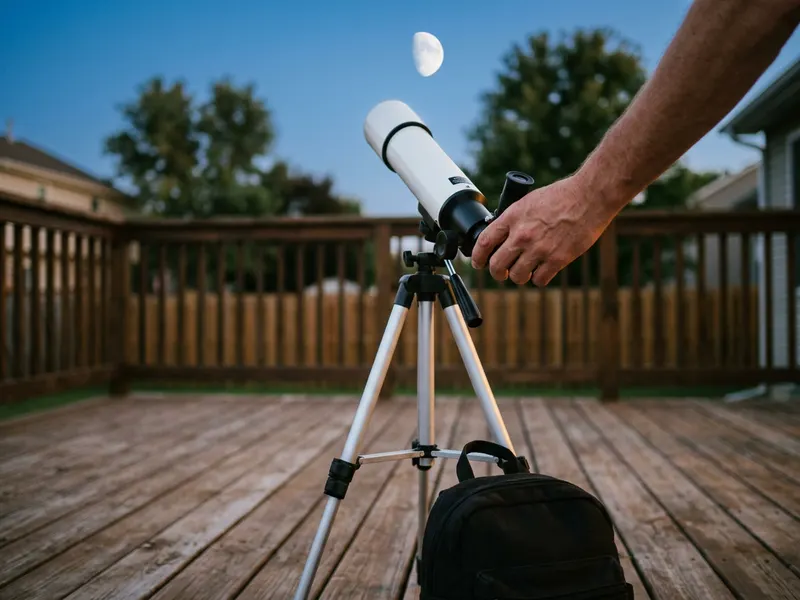 Celestron Travel Scope 70 Telescope
A light starter telescope for close-up views of the Moon from the backyard.
-
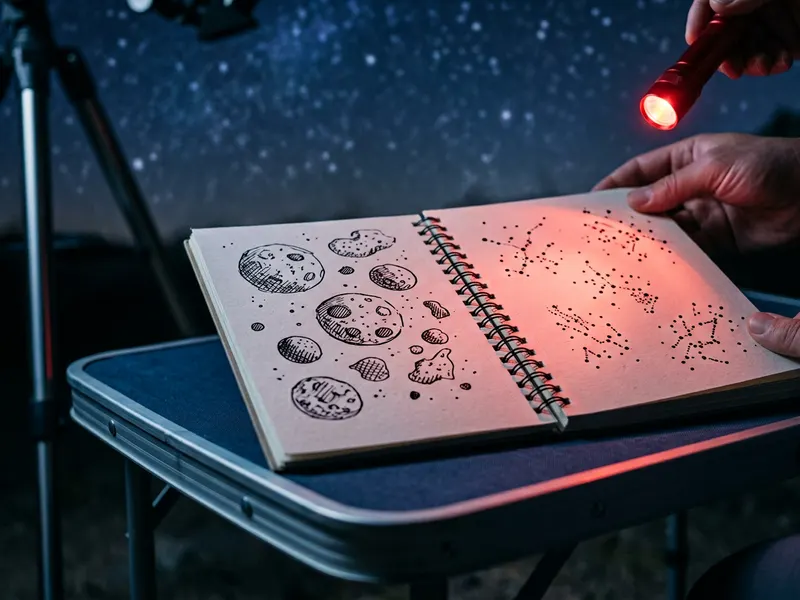 Turn Left at Orion (Consolmagno & Davis)
The classic guide to what to look at tonight, with Moon maps for every phase.
Helps keep the tools free. ✨
Images are for illustration only. As an Amazon Associate I earn from qualifying purchases.